

Home Fire Safety Risk Assessments

Fire Safety Risk Assessments

Image

Fire safety is a critical concern for businesses, property owners, and managers across the United Kingdom. At the heart of fire safety measures lies the fire risk assessment - a legal requirement and essential tool for identifying and mitigating fire hazards.

What is a Fire Risk Assessment?

Why do I need a Fire Risk Assessment?

A fire risk assessment serves multiple crucial purposes as follows:

Identifying fire hazards

This includes potential sources of ignition, fuel, and oxygen

Identifying people at risk

Special attention is given to vulnerable individuals such as the elderly, disabled, or children

Evaluating the level of risk

This involves assessing the likelihood of a fire occurring and its potential consequences

Implementing fire safety measures

Based on the identified risks, appropriate precautions and procedures must be put in place

Creating an emergency plan

This outlines procedures for safe evacuation and contacting emergency services

Providing workers training

Ensuring all workers and others affected, understand fire safety arrangements and what they must do in an emergency

Several challenges can arise when conducting fire risk assessments, including underestimating risks, overlooking less obvious hazards, failing to consider all occupants, neglecting to review and update, and inadequate documentation.

The resulting Fire Risk Assessment should cover several crucial areas, including building layout and use, fire detection and warning systems, fire-fighting equipment, escape routes and emergency lighting, signs and notices , maintenance and testing procedures, staff training, and any specific hazards associated with the premises or activities. 

As technology advances, we're likely to see innovations in how fire risk assessments are conducted and managed, with digital tools for mapping buildings, identifying hazards, and tracking remedial actions becoming more prevalent. Additionally, there's growing recognition of the need to consider sustainability alongside fire safety, particularly in the choice of building materials and fire suppression systems.

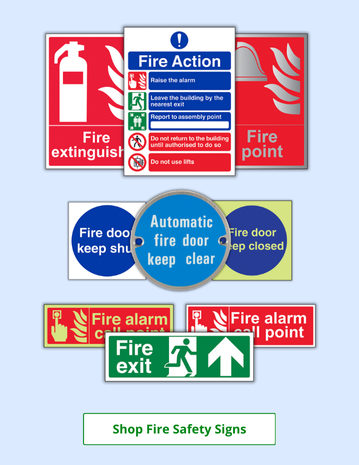
Image of fire safety signs such as Fire Action Signs, Fire Door Signs and Fire Exit Signs

Responsible Person

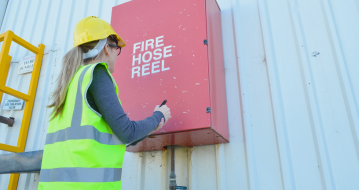
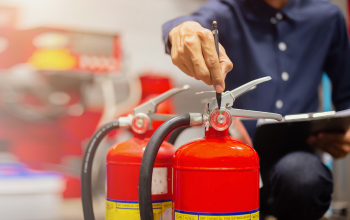
Person Looking At Fire Hose Reel While Carrying Out Inspection

As mentioned under the legal framework most of the responsibilities are placed on a Responsible Person who will be either the employer, building owner, or occupier unless specifically named and appointed. In many cases, the Responsible Person can conduct the fire risk assessment themselves, provided they have sufficient knowledge and understanding of fire safety principles. However, for more complex premises or where significant risks are present, it's advisable to engage a competent Fire Risk Assessor. 

The Fire Risk Assessor should have a thorough knowledge of fire safety legislation and guidance, understanding of fire behaviour and prevention, practical experience in conducting risk assessments, ability to identify both obvious and subtle fire hazards, and skills to recommend appropriate and proportionate fire safety measures.

Professional bodies such as the Institution of Fire Engineers (IFE) and the Fire Industry Association (FIA) maintain registers of competent fire risk assessors.

Common Challenges and Pitfalls

Action of a person is using ballpoint pen to marking on the risk assessment matrix table at "High risk" level. Industrial or business working action scene photo. Close-up and selective focus.

Several challenges can arise when conducting Fire Risk Assessments, including underestimating risks, overlooking less obvious hazards, failing to consider all occupants, and having inadequate documentation. As technology advances, we're likely to see innovations in how fire risk assessments are conducted and managed, with digital tools for mapping buildings, identifying hazards, and tracking remedial actions becoming more prevalent. Additionally, there's growing recognition of the need to consider sustainability alongside fire safety, particularly in the choice of building materials and fire suppression systems.

When it comes to fire safety signage, there are plenty of eco-friendly options available to choose from that adhere to ISO 7010 and BS 5499 regulations. At SafetySigns4Less you can choose between Self Adhesive Plastic Free Paper signs, or 100% Recycled Plastic signs, easily allowing you to hit your environmental goals without impacting the need to comply with legislative requirements. 

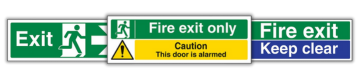
Image of 3 fire exit sign variations that are eco friendly

Regular review and update

Regularly reviewing Fire Risk Assessments is crucial for several important reasons. Workplaces and buildings are dynamic environments with changes in layout, occupancy, equipment, or processes introducing new fire hazards or alter existing risks. External factors, such as changes in neighbouring buildings or local infrastructure, can also affect a building's fire risk profile.

Over time, fire safety measures will degrade. For example, fire doors might become less effective as wood can contract or expand leaving doors with large gaps where smoke can spread, or movement prevents them closing properly thus rendering them ineffective in controlling fire spread. Other examples are with Emergency Lighting Systems where bulbs will fail or back up batteries need replacing or charging. 

Incidents or near-misses, both within the organisation and in similar settings elsewhere, can provide valuable insights to learn lessons. For example, a fire alarm being activated by workers using toasters or from overheating electrical appliances. Regular reviews of incidents will foster a culture of continuous improvement in fire safety, helping to identify areas where further enhancements can be made. Due to this, it’s important to ensure any incidents, maintenance, or actions taken to improve fire safety in your building are accurately documented, as it shows the responsible person is proactive in addressing fire safety concerns. 

Finally fire safety legislation, technology standards or best practices will evolve over time and may require that Fire Risk Assessments are updated in line with these. Failure to review and update Fire Risk Assessments could result in non-compliance with the law, potentially leading to fines or prosecution. 

Training

As per Article 21 of the Regulatory Reform (Fire Safety) Order 2005, the Responsible Person must make sure that their workers are provided with adequate safety training. This should be provided at the time they are first employed, and when they are exposed to a new or an increased risk. 

Fire safety training should deliver information and instruction on fire risks present within the building and cover familiarisation of the building’s emergency procedures, so they can act accordingly in the event of a fire or emergency. Training should be provided throughout the length of employment to make sure that knowledge is refreshed, and the information is correct. Typically, the following areas should be covered:

• Fire risks within the building
• Fire safety measures within the building
• Actions to take if discovering a fire
• Actions to take on hearing the fire alarm

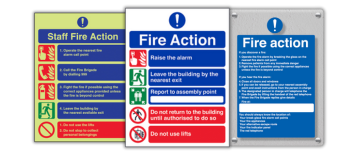
Fire Action Notices are excellent tools in reminding residents and staff of the procedures involved should a fire occur, and it’s recommended that Fire Action notices are displayed alongside every call point in a building and alongside fire exit doors. 

Image of 3 variations of fire action signs in glow in the dark, normal and acrylic materials
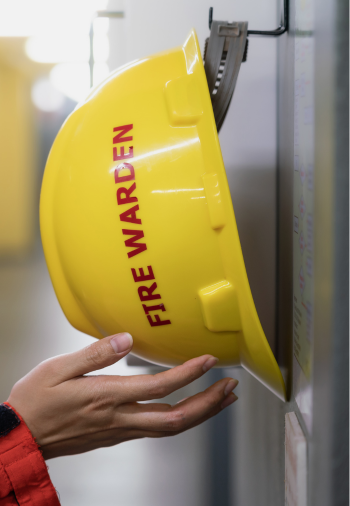
Person placing fire warden helmet on hook

Fire Safety Legislation makes no specific reference to appointing Fire Wardens/Marshals but the Fire Safety Order states in articles 13, 15 and 18 that the Responsible Person must appoint one or more competent persons to assist them in undertaking preventative and protective measures. 

Fire Wardens/Marshals are mainly appointed to assist with building evacuation measures and to help with fire safety inspections. Training for Fire Wardens/Marshals will be a little more comprehensive and typically the following areas should be covered:

  • Fire legislation
  • Common causes of fires in the workplace
  • Understanding the fire triangle and the behaviours of fire
  • Understanding the classification of fires
  • Understanding the different types of fire extinguisher and what classification of fire they can be used on
  • Fire prevention and protection control measures
  • Fire safety and fire safety signage
  • Understanding people’s behaviour in a fire situation, and how they can assist
  • The different types of evacuation equipment available and how each can be used
  • Practical training on how to use fire extinguishers 
  • Understanding their role and responsibilities

It’s important that should you have a Fire Marshal or Warden appointed, that all residents are aware of who they are so they can easily report any hazards around the building.

Conclusion

Fire Risk Assessments are not just a legal requirement, they are a fundamental tool for ensuring the safety of building occupants and protecting property. By thoroughly identifying and addressing fire risks, businesses and property managers can create safer environments and potentially save lives.

While the process may seem daunting, especially for those new to fire safety responsibilities, numerous resources and professional services are available to assist. Ultimately, investing time and resources in comprehensive fire risk assessments is an essential step in fulfilling both legal and moral obligations to protect people from the devastating effects of fire.